Startups in Bangladesh are growing fast. But growth needs the right system. Many startups fail because they depend on tools that do not match their business.
This is where custom software development for a startup becomes important. Custom software is built based on your idea. It fits your process. It helps you grow step by step without limits. If you want long-term success, a custom software solution is not an option anymore. It is a smart decision.
Custom software development is the process of designing, building, and maintaining software that is created specifically for a business or startup’s unique needs. Unlike off-the-shelf tools made for a wide range of users, custom software is developed with a clear purpose - to solve specific problems, support business workflows, and align with company goals. It can include solutions like custom ERP systems, web platforms, mobile apps, or business dashboards. Instead of forcing a business to adjust to generic software, custom software is built to fit the business itself, ensuring better performance, smooth integration, and long-term growth.
Why Startups in Bangladesh Need Custom Software
Bangladesh is now one of the fastest-growing startup ecosystems in South Asia. Startups are expanding across sectors like e-commerce, ERP, health tech, and education. However, many of them face challenges in managing operations, handling data, and scaling their services using standard software that does not fully match how businesses operate. This is why startups are now moving toward custom software development to build systems that truly fit their needs, support growth, and solve real business problems.
Built for Business Needs
Every startup in Bangladesh works in its own way. A custom-built solution is designed based on your exact workflow, so you do not need to change how you operate. This helps reduce mistakes and makes daily work smoother.
Smooth Integration with Existing Systems
Startups often use tools like accounting software, CRM, or sales apps. A tailor-made system can connect all these tools. This reduces repeated work and keeps your data accurate.
Strong Data Security and Control
Customer data must be protected. A custom-developed application allows you to set your own security rules, like access control and data protection. This builds trust with your users.
Better Cost Management Over Time
At the beginning, the development cost may seem high. But a business-specific software solution removes monthly subscription costs and unnecessary features. This helps save money in the long run.
Full Ownership and Flexibility
With a dedicated software system, you have full control. You can update features, fix issues, or change functions anytime without depending on external providers.
Easy to Scale as You Grow
Startups grow fast. A custom software solution allows you to add new features, users, or services without facing system limitations.
Helps You Stand Out in the Market
Using a unique digital solution, startups can offer features that others do not have. This helps attract more customers and build a strong brand.
Improves Work Efficiency
A custom system can automate tasks like reporting, inventory tracking, and data entry. This saves time, reduces errors, and allows teams to focus on growth.
Difference between Custom Software and Off-the-Shelf Software
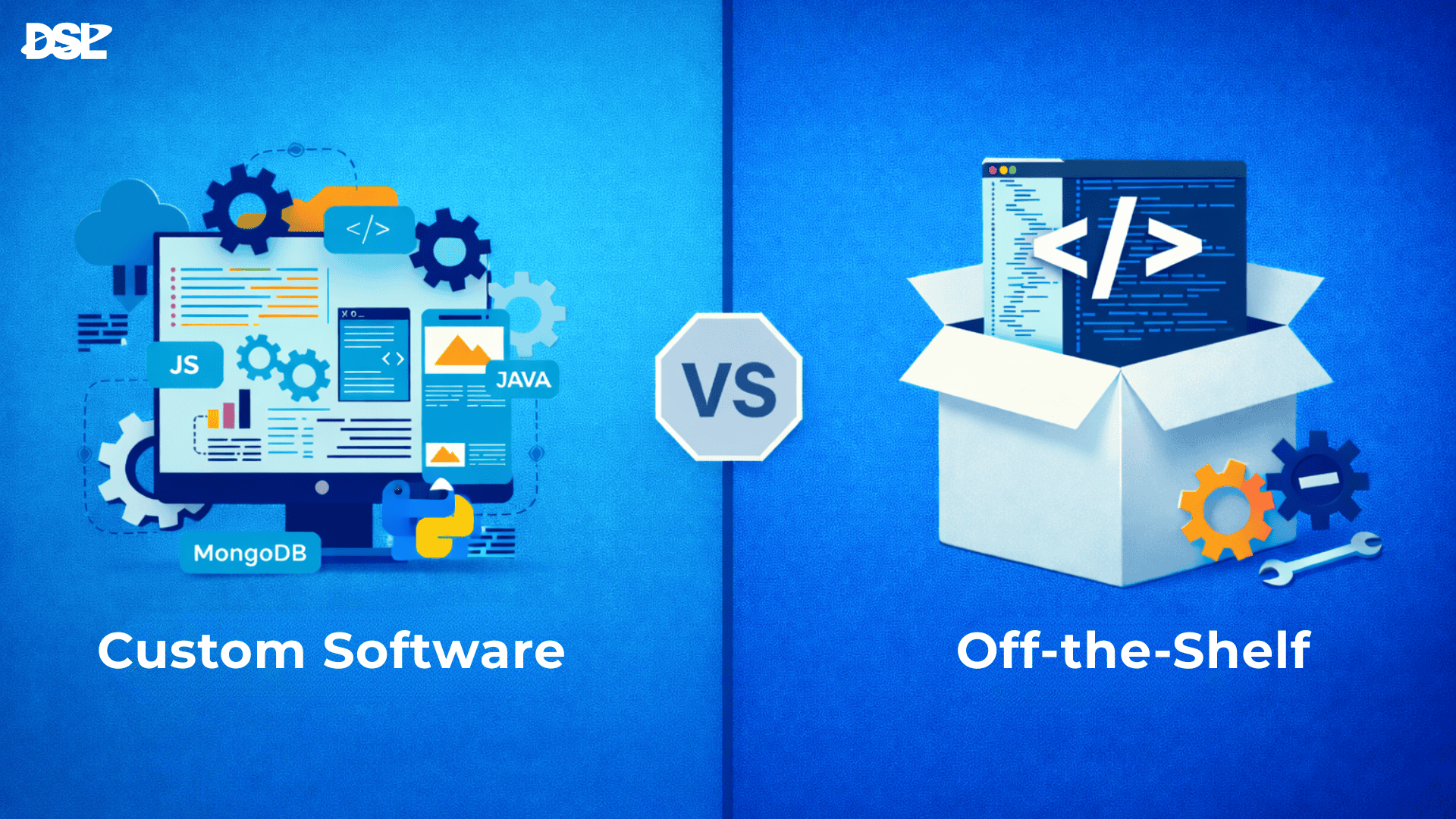
1. Flexibility and Future Growth
Custom Software: Designed to adapt easily as your business expands or changes over time.
Off-the-Shelf Software: Offers limited flexibility, making it difficult to adjust to specific or evolving business requirements.
2. Cost and Investment
Custom Software: Requires a higher upfront investment due to personalized development and design.
Off-the-Shelf Software: More cost-effective initially, but additional expenses may arise for upgrades or extra functionalities.
3. Fit for Business Needs
Custom Software: Built specifically for your organization, ensuring a perfect match with your processes.
Off-the-Shelf Software: Developed for a broad user base, which may not fully align with individual business operations.
4. Time to Deployment
Custom Software: Takes longer to develop since it is created based on unique requirements.
Off-the-Shelf Software: Can be deployed quickly as it is pre-built and ready for immediate use.
5. Maintenance and Updates
Custom Software: Allows full control over updates, improvements, and feature enhancements.
Off-the-Shelf Software: Updates are handled by the provider and may not always meet your specific needs.
6. Security and Control
Custom Software: Enables security based on specific business needs.
Off-the-Shelf Software: Provides standard security features that may not fully cover unique security concerns.
Custom ERP Software for Startups in Bangladesh
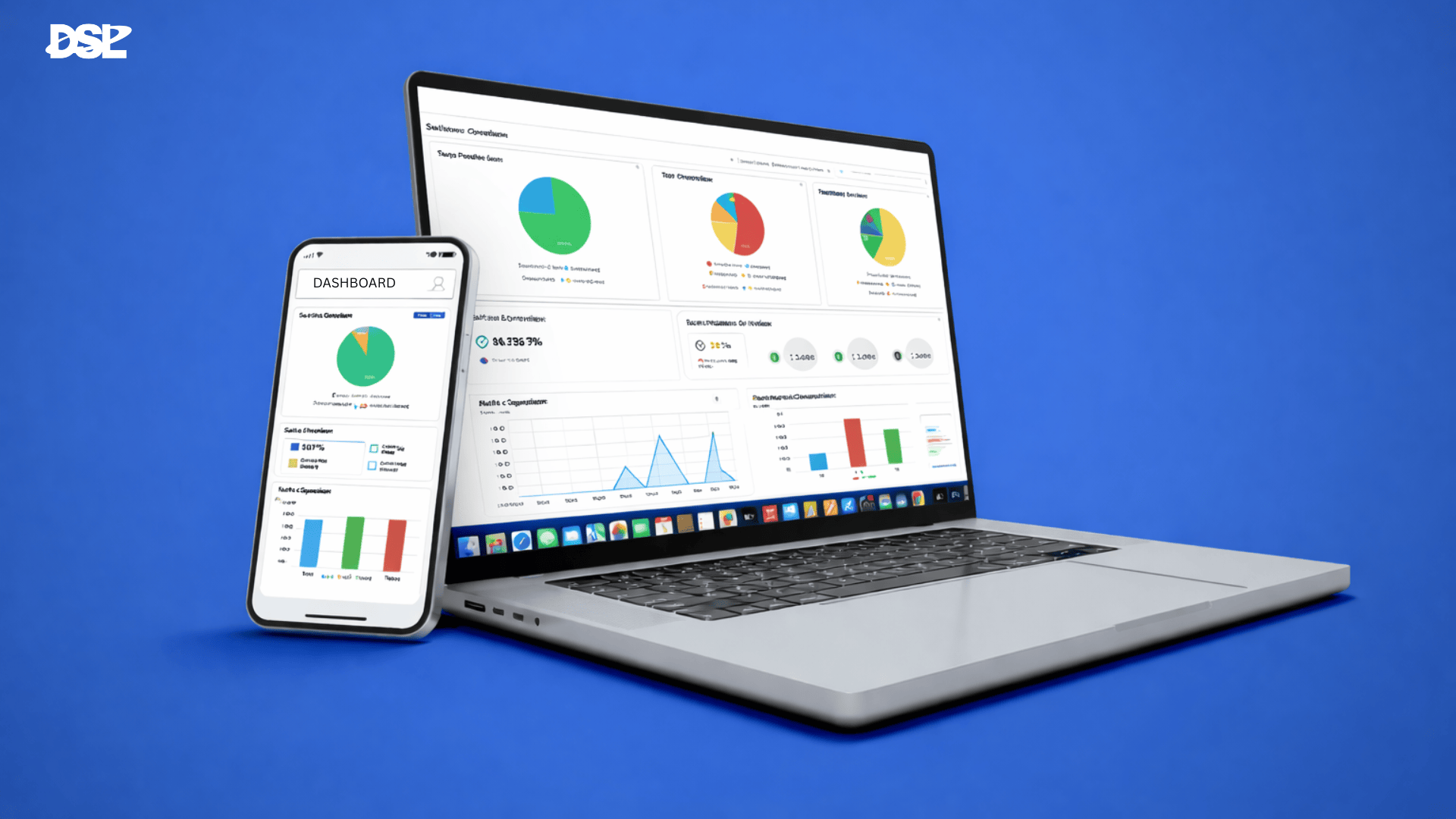
Many startups need an ERP system to manage daily operations. However, most off-the-shelf ERP tools come with unnecessary features or lack important functions needed for local business processes. This often creates confusion, increases cost, and reduces efficiency.
That is why many businesses now prefer custom ERP software development. It allows startups to build a system that fits their exact needs and workflow.
A well-designed ERP solution for startups can include:
Advanced Dashboard and Analytics
View all business data in one place with visual charts and performance insights
Accounting and Financial Management
Track income, expenses, invoices, and financial reports in one place
Inventory and Stock Control
Manage products, stock levels, and supply chain activities efficiently
HR and Payroll System
Handle employee records, attendance, salaries, and leave management
Sales and Customer Management (CRM)
Monitor sales, leads, and customer interactions to improve conversion
Reports and Business Insights
Generate real-time reports to support better decision-making
Order and Purchase Management
Manage orders, suppliers, and purchase processes smoothly
Project and Task Management
Track ongoing tasks, team activities, and project progress
Multi-User Access Control
Set roles and permissions for different team members
Cloud-Based Access
Access your system anytime, from anywhere, using mobile or web. This allows startups to manage operations remotely, ensure real-time updates, and stay connected with their business at all times
With a custom ERP system, startups only develop the features they actually need. This reduces unnecessary complexity, lowers long-term cost, and improves overall productivity.
For startups in Bangladesh, a tailored ERP solution helps manage operations more efficiently while supporting future growth without system limitations.
How Custom Software Development Works: A Step-by-Step Guide
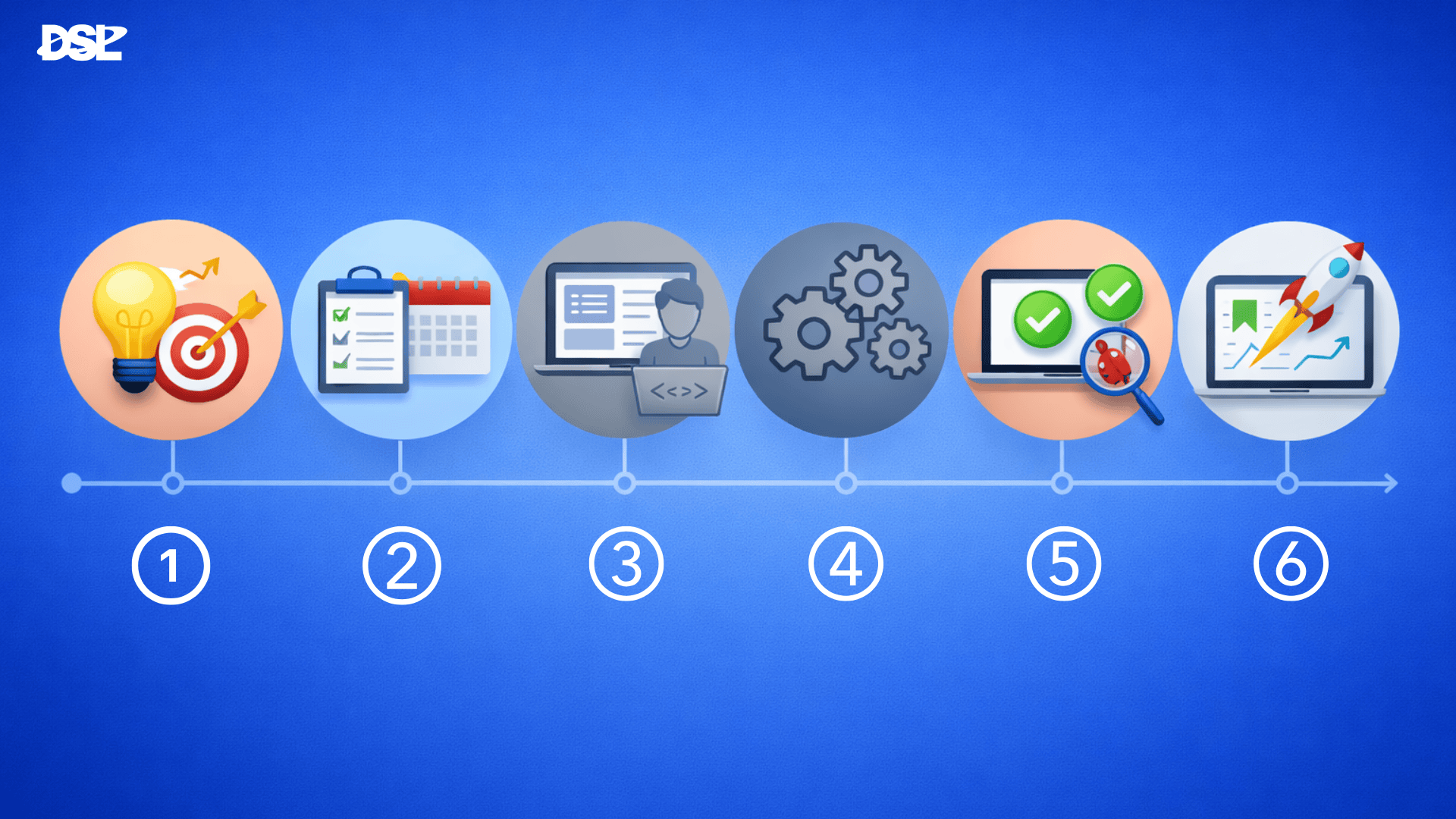 Building custom software is not just about coding - it’s a structured journey that transforms an idea into a functional digital solution. A well-defined development process ensures that the final product aligns with business goals, user needs, and long-term scalability. Below is a simplified breakdown of how this process typically unfolds.
1. Idea Discovery & Goal Setting
Every project begins with understanding the core purpose. This stage focuses on identifying the problem, defining business objectives, and analyzing target users. Clear goals help shape the direction of the entire development journey.
2. Requirement Mapping & Planning
Once the idea is clear, detailed requirements are outlined. This includes listing features, defining system behavior, setting timelines, and allocating resources. Proper planning reduces risks and ensures smoother execution.
3. Design & Architecture Creation
At this stage, the software’s structure and user experience are designed. Wireframes, prototypes, and system architecture are created to visualize how the application will look and function before development begins.
4. Development & Implementation
Developers start building the system based on approved designs. Both frontend (user interface) and backend (server, logic, database) components are developed and integrated step by step to bring the concept to life.
5. Testing & Quality Assurance
Before release, the software undergoes rigorous testing. Each feature is checked individually and as part of the whole system to ensure performance, security, and usability meet expected standards.
6. Deployment & Continuous Improvement
After successful testing, the software is launched for users. Post-launch activities include monitoring performance, fixing issues, and regularly updating the system to enhance functionality and user experience.
Customized Software Solutions for Different Industries by Daffodil Software Ltd.
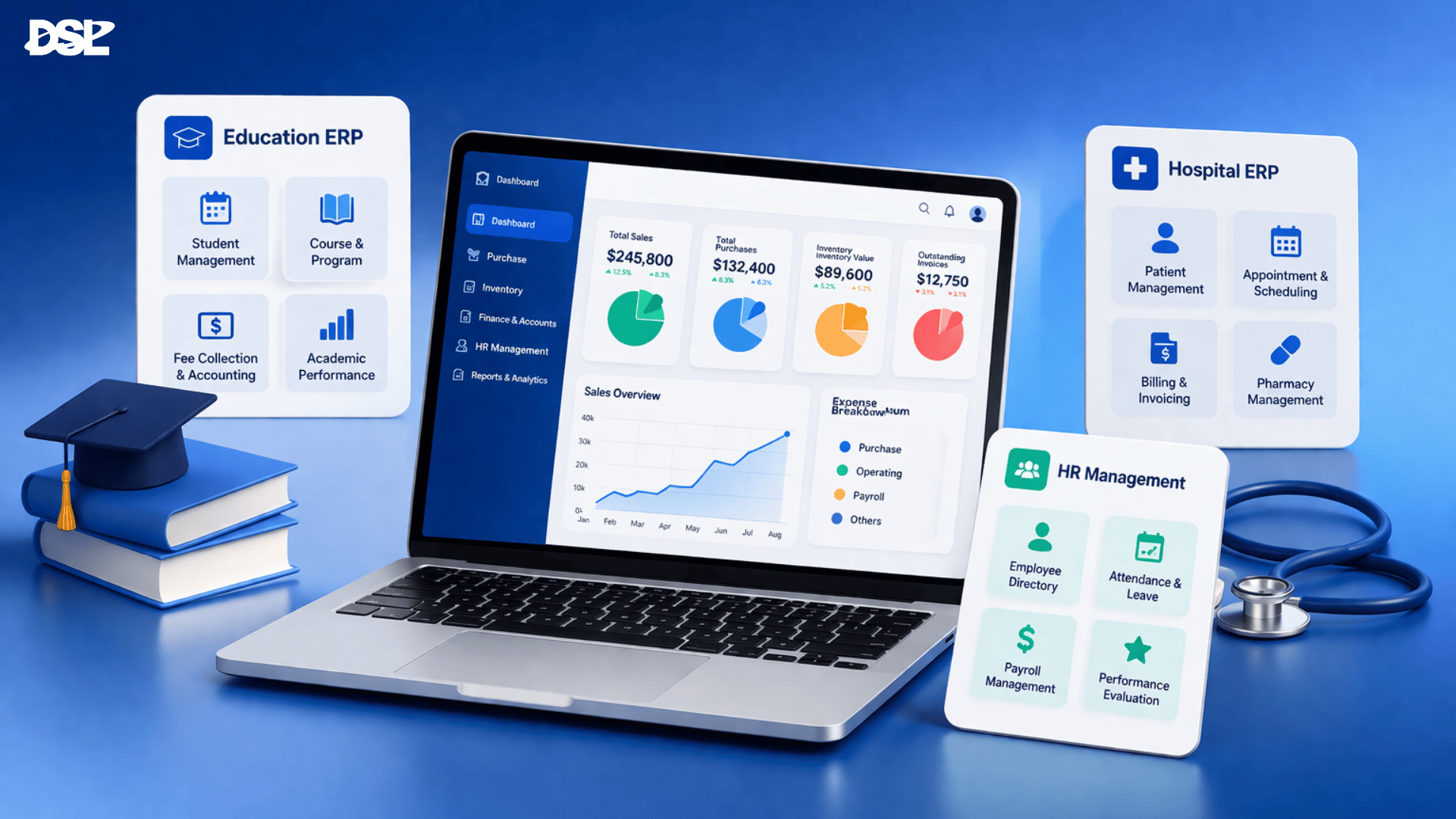
● Bangladesh University of Textiles (BUTEX)
Delivered a fully customized university management system to handle admissions, exams, student records, HR, payroll, and academic operations through one integrated platform, improving efficiency and reducing manual work.
Designed a tailored ERP solution to manage memberships, event scheduling, accounting, restaurant operations, and overall club activities through a centralized digital system.
● Bakhtunnessa Chowdhury Diabetes Centre (BCDC)
Implemented a custom hospital management system to manage patient registration, appointments, billing, laboratory, pharmacy, and doctor operations, ensuring smooth and efficient healthcare services.
Provided a customized HR and leave management system to automate employee records, leave tracking, onboarding, and internal processes, improving workforce management and reducing manual tasks.
How to Choose the Best Custom Software Development Company
 Choosing the best software development company plays a big role in the success of any project. The right partner can turn ideas into powerful solutions, while the wrong choice can lead to delays and poor results. Here are some easy tips to help make the right decision:
Review Their Previous Work
Check their past projects to understand their experience and quality. A strong portfolio shows they have successfully handled real-world problems.
Evaluate Their Work Process
A reliable company will explain its development process clearly. This helps ensure transparency and builds trust from the beginning.
Focus on Communication
Good communication is very important. The team should understand the project needs, respond quickly, and provide helpful suggestions.
Check Technology Expertise
Make sure they use modern tools, frameworks, and technologies. This ensures the software will be fast, secure, and future-ready.
Look for Ongoing Support
Support after project completion is essential. A good company will help with updates, bug fixes, and improvements when needed.
Why Choose Custom Software Development in Bangladesh
Affordable development cost: Development costs are more affordable compared to many other countries.
Skilled Developers: There is a strong pool of talented and experienced software developers.
Quick Delivery: Projects are often completed faster with efficient workflows.
Local business understanding: Developers understand local business needs and user behavior better.
Easy Communication: Working with local teams makes communication simple and smooth.
Common Mistakes Startups Should Avoid
Many startups fail during software development. Here are some common mistakes:
Trying to build everything at once
Not planning properly
Choosing the wrong development partner
Ignoring user experience
No future scaling plan
Start small. Build step by step. Improve based on user feedback.
The Future of Custom Software Development for Startups
- Cloud-Based Systems
Startups are moving to cloud platforms for better flexibility, security, and cost savings.
- Mobile-First Approach
Modern software is designed for mobile users to ensure easy access and a better user experience.
- Integration of Artificial Intelligence
AI is helping startups automate processes, analyze data, and improve decision-making.
- Use of Automation
Automation tools are increasing efficiency by reducing manual work and saving time.
- Faster Business Growth
Custom software allows startups to scale quickly and stay competitive in a changing market.
Conclusion
Custom software development is a smart choice for startups in Bangladesh that want to build strong and scalable businesses. It helps create systems based on real business needs, improves performance, and supports long-term growth. Instead of using common software that may not fit properly, custom solutions give better control and flexibility. For startups looking to grow and compete in the market, investing in custom software development can make a big difference over time.